10 Steps to Finishing a Novel

The great thing about blogging is that you can’t hear my maniacal laughter. Oh, I’ll give you ten steps all right. Just don’t think that those ten steps will be easy or even consecutive. Think of it more as a twisted game of Chutes and Ladders. You go up a few steps, slide back down to the bottom, go up a few more steps, slide back to the bottom again. You’re basically Sisyphus.

10 Steps to Finishing Your Novel | Write Lara Write

A nicer title for this article might be:

The Creative Process for Writing a Novel

except it also includes processes that are critical, not creative, so maybe:

The Ten-Step Program for Novelists

(Titles aren’t really my thing.)

If you follow me on Facebook, you might have seen a link I posted a while ago entitled “Madman, Architect, Carpenter, Judge: Unlocking Our Personas to Get Unstuck” from Ed Batista. In it, he quotes Betty Sue Flowers and her approach for getting unstuck as a writer. Now, I’ve already posted on The Myth of Writer’s Block, but there’s a difference between being “blocked” and being paralyzed by your inner critic.

Flowers’ essay is short, and you should read it. But I’ll sum it up for you anyway. She says that we all have conflicting energies. One, the madman, is the creative energy.

The judge is the critical energy: the internal editor, the voice that says, “That was the worst thing I’ve ever read” or “You are a ridiculous hack.” It’s the impetus to hold down the delete key.

So Flowers introduces two more personas, ones to act as mediators between the madman and the judge: the architect and the carpenter.

Basically these four personas represent 1) creativity, 2) logic, 3) craft, and 4) perfection. Separating these processes and letting them each have their turn will allow your work to grow and be refined from start to finish. You can even select one day for each persona. Monday = Madman. Tuesday I’ll organize his mess. Wednesday I work on syntax, style. Thursday I polish. Friday I submit the work.

Sounds really smart, right? It is!

But let’s look at the broader picture. How can we apply those four personas to writing out a novel-length work?

Steps 1–2: Experience

10 Steps to Finishing Your Novel | Write Lara Write

Source: Hey Kids, Comics!

#1: Feed your creativity.

Read good stories. Read like a writer. Watch movies known for their storytelling (See this and this for ideas). Watch Sherlock. Listen to people talking. Eavesdrop. People watch. Go make memories. Travel. Spend time outside.

#2: Feed your knowledge.

Research. Spend time world-building. Flesh out your characters, then get to know them inside and out. Need character worksheets or exercises? I’ve got them here.

This is where many creative people stop. But to actually get things finished, you’ll need to keep moving forward.

On to the next step!

Steps 3–4: Produce

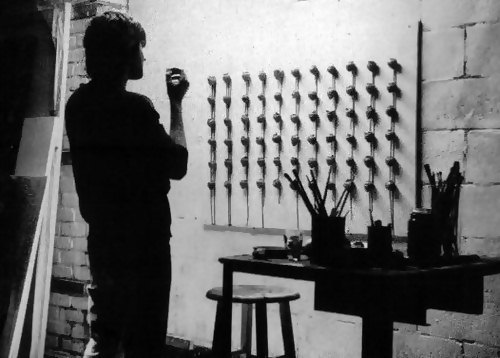
This is where the madman comes in.
10 Steps to Finishing Your Novel | Write Lara Write

Source: Fanpop

#3: Brainstorm

No idea is off limits. Try to come up with some themes, pitches, or log lines so you have a bit of direction for the next step.

#4: Create

Be wild, reckless. Imagine your inner critic bound and gagged in the corner. Unleash your inner child and play. Write a paragraph or a scene. If you are a pantser, you might even complete a first draft before the next step. Just get words down.

When you are ready to plan, whether you’ve written a sentence or a full first draft, move on

Step #5: Plan

5–6 correspond to the Architect.

10 Steps to Finishing Your Novel | Write Lara Write

Source: National Archive

Plan. Plot.

Start sketching out a roadmap. You can drive with your headlights out, sure, but it’s good to have at least some idea of a destination or what’s coming up next. This plan can be as rough or as detailed as you want it to be. Just stay flexible. Related posts:

Repeat 1-5 until you have an idea of a destination and a route to get there.

Step #6: Harvest

10 Steps to Finishing Your Novel | Write Lara Write

Source: Smashing Picture

Curate. Organize.

Gather what you’ve generated. Organize it. Be selective with what you keep. Cut, rearrange, paste.

Repeat 1-6 until you have a complete manuscript. Celebrate. Then take a break to read a book or two about writing. Spend some time here on the blog. Ask questions

Step #7: Critique

7–8 correspond to the Carpenter

10 Steps to Finishing Your Novel | Write Lara Write

Source: National Galleries Scotland

NOW is the time to start critiquing. Look for lazy writing. Find cliches. Read out loud. Underline wordy or clunky writing. Use a highlighter, not a pen. This is a time to find problems, not fix them. If you try to fix everything now, you’ll overwhelm yourself!

Take a break. Read poetry, go for a walk, go on vacation. Give your ego some time to recover. Compile a list of people who might want to Beta Read for you.

Step #8: Progress
10 Steps to Finishing Your Novel | Write Lara Write

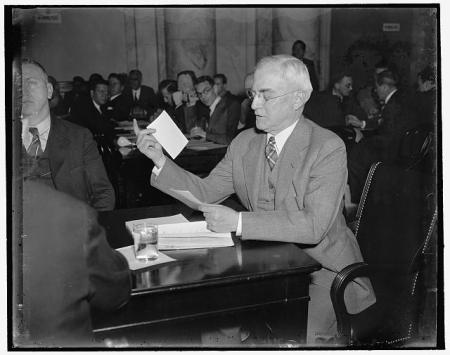
Refine: Library of Congress

8a: Rewrite

Take a scene or a chapter at a time. Look over critiques, then fix them. Be a writer. Be creative, be original. Fresh language. Specific details. Show, don’t tell.

8b: Proof

Inspect your writing for grammatical or logical errors. You can do this at the same time as #8a, but realize that one is about creating, and one is about judging. They are like twins with different personalities. You can take them as a set or separately.

10 Steps to Finishing Your Novel | Write Lara Write

Twins: Design for Mankind

Write, critique, refine, proof your query letter if you’re looking for agent representation. 

Step #9: Invite
10 Steps to Finishing Your Novel | Write Lara Write

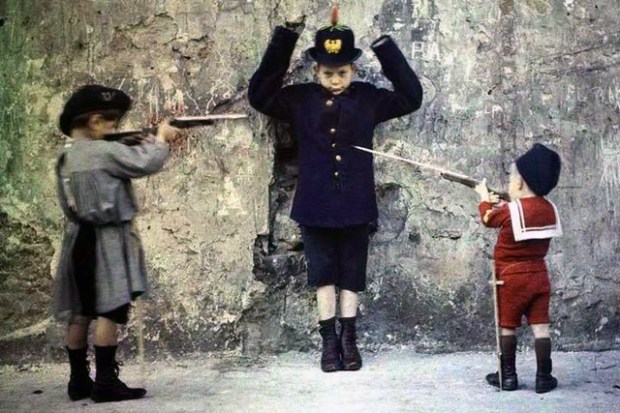
Source: Australian War Memorial

Give your new draft to other readers. Listen to their feedback. Decide if you agree with them.

While you’re waiting for their feedback, read QueryShark. Refine your query letter.

Repeat 8 and 9 until you feel ready to submit or send your work to a professional. Note that if you already have an agent or editor, you’d likely submit your work to them very early on.

Step #10: Post
10 Steps to Finishing Your Novel | Write Lara Write

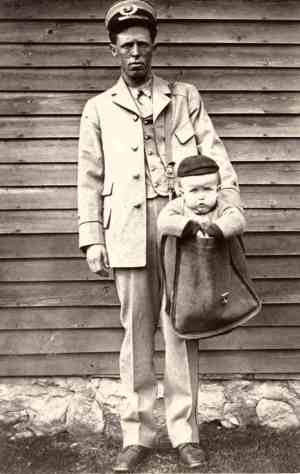
Source: Smithsonian Apparently people mailed actual children via post. Seriously.

10a: Hire

Send your query letter and sample to a freelance editor for professional feedback. Alternatively, you could send your query to a critique group or published author friend. Consider anyone’s feedback critically, but also understand that sometimes your gut reaction is more of a defense mechanism. Don’t accept or reject changes without considering each one.

If self-publishing, you take on the financial risks of publishing rather than a publishing house or small press. Ideally you will hire at least one copy editor or line editor and one proofreader. I’ve seen multiple editors and proofreaders still miss typos!

Repeat 8.

10b: Query

If you are looking for representation, send your query letter to agents.

If no one requests a complete manuscript, repeat 8-10 until somebody does. A published writer is a writer who doesn’t give up. 

Nobody promised you a rose garden. This is a long, hard road. You will sacrifice much. But at the end, you will have learned and achieved much.

Then: Representation!

You did it! Plan on plenty more writing, rewriting, and marketing in the months and years following representation as your agent submits your book to publishers.

Summary:

  1. Feed your creativity by experiencing life.
  2. Feed your knowledge gaining experience. Research facts. Fabricate the rest.
  3. Brainstorm like a mad scientist.
  4. Create with wild abandon. Repeat 1–4.
  5. Plan. Repeat 1–5 until you have a destination, an ending, a THEME.
  6. Curate, cut, and paste. Repeat 1–6 until you have a complete manuscript.
  7. NOW you can take the gag out of your internal editor’s mouth. Critique. Then take a vacation.
  8. Refine, fix, rewrite. Unleash the literary genius. Live up to your potential.
  9. Invite others to read your new draft. Welcome feedback. Write your query and summary. Repeat 8.
  10. Send your stuff to the professionals. Repeat 8–10 until you get representation.

An even briefer summary:

10 Steps to Finishing Your Novel | Write Lara Write

——————-

Note: My husband, a Captain in the Marine Corps (now Reserves), says he only needs 6 steps to accomplish anything: BAMCIS. I can see that being adapted for novel writing. Once he finishes a novel, I’ll let him write a guest post about it.
Crafting Chapter One: Resources for Writers

Chapter1title

Chapter One. It’s what gets agents to represent your book, it’s what gets publishers to publish your book, and it’s what gets readers to read your book. First impressions are everything! So here’s a list of resources for you when writing, workshopping, critiquing, editing, or rewriting the beginning of your novel.

The 8 C’s of Plotting: Prologue, Opening, Captivation, Change

Part of my series on plot and story structure, this post focuses on the beginning.

Subjects: the Inciting Incident (“Change”), Rooting Interests, Prologues, Opening Lines, Nine Ways to Start a Novel

WATCH, or: Where to Start and End your Novel

This post explains the acronym WATCH, asks what kind of novel you’re writing, and then teaches four different methods of where/how to begin and end your novel.

Subjects: Genre, World Building, Character Introductions

QUIZ: How should you start your novel?

A companion post to “WATCH,” this quiz will help you choose a direction when writing your beginning.

What NOT to Do When Beginning Your Novel: Advice from Literary Agents

Self explanatory!

Famous First Lines Reveal How to Start a Novel

Seventeen opening lines and seven methods of writing your own

10 Ways to Start Your Story Better

Ten more methods for writing your opening line

How to Start Your Novel: What The Movie TRUE LIES Taught Me

Compare this to method #4 of “10 Ways to Start Your Story Better” for a different opinion regarding “inside-out” versus “outside-in” beginnings

Books

I’m currently working through Bill Idelson’s Writing Class, which I highly recommend for any storyteller. It is very straightforward and highly approachable. If you read it one chapter at a time and do the assignments without skipping ahead, you WILL become a better writer. In this curriculum, Bill gives the secret to storytelling:

What makes a story? 1) A character, 2) a desire or goal, and 3) an obstacle. Introduce all three elements at the beginning. If you haven’t introduced them all at the beginning of your story, you’re starting your story at the wrong place. 

Read more about character + obstacle + goal in my post here.

Final Note

Want your first chapter edited by me? Fill out a quote request here and select “substantive edit” to get a sample line edit of your first 1,000 words. Then check out my special rates for the first 10 pages and 10,000 words.

A list of resources for writing & rewriting your first chapter | Write Lara Write #editing #resources #novel

PRIORITIES: Eisenhower’s Decision Matrix

So I’ve been reading The Art of Manliness a lot lately.

And by “a lot lately,” I mean I’ve been following The Art of Manliness on Pinterest and repinning some of their pins and actually reading some of those.

But the ones I’ve read are really, really good. For men and for women. And that’s what brings us here today. It also might serve as an explanation of where I’ve been the past 3 months, in case you were dying to know. (In which case, you’ve come to the right place, because not only will I give you the answer, I will hopefully give you some tips on getting your priorities in line).

It actually started with a post on the Emma Approved blog: “Ask Knightley: Workplace Productivity.”

Here was the question:

“I’d like to up my productivity in the workplace. Tackle the important things instead of just the urgent. How can I do that?”

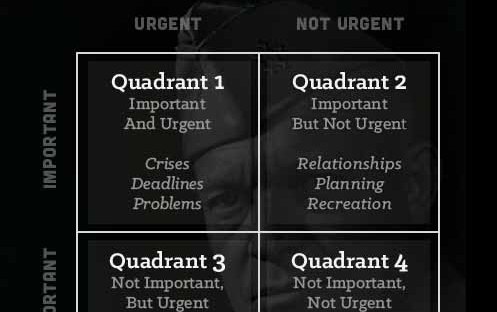
And “Knightley” answered, linking to this image from The Art of Manliness:

Important vs Urgent | Write Lara Write

Click to Pin

As a designer, I was really tempted to redesign this decision matrix for you with writerly things, but since The Art of Manliness already made an image, and since their post on the subject is already really well written and thorough, I’m going to direct you there. BUT WAIT. Don’t leave yet. Okay, go ahead and go to The Art of Manliness. But then come back here. Because I’ve got some more goodies for you.

Did you read it?

Seriously, though, did you? Because I’m not going to restate the significance and mind-blowingness that is in that post. You have to read it.

Thanks. Now here’s some alliteration, a.k.a.

a mnemonic device

to help you remember what you just read:

Q1: That’s business.

Down below that is Q3: That’s busyness.

Q2 is beingAs in…being a better human being in general, or being a better writer specifically.

And Q4 is beguilement, which is a fancier, politer way of saying… it’s BS.

And now for:

some visuals

to drive the message home and hopefully inspire you.

Quadrant 1: Important and Urgent

Important vs Urgent | Write Lara Write

Important vs Urgent | Write Lara Write

Sources: Today’s WorkProgress Not Perfection

Quadrant 2: Important, not Urgent

Important vs Urgent | Write Lara WriteImportant vs Urgent | Write Lara Write Important vs Urgent | Write Lara Write

Important vs Urgent | Write Lara Write

Sources: Who You WereSurround YourselfReading FictionWriter’s Block

Quadrant 3: Not Important, but Urgent

Important vs Urgent | Write Lara Write

Important vs Urgent | Write Lara Write

Sources: First StepInspire or Drain

Figure out what you can cut from the “busyness” of your life so you can spend more time being a writer. And by being a writer, I mean WRITING.

Quadrant 4: Not Important, Not Urgent

Try to avoid this:

Important vs Urgent | Write Lara Write

And instead do this:Important vs Urgent | Write Lara Write

Sources: Tumblr DistractionQuit Slackin

for writers

Decide what, for you, is business, being, busyness, and beguilement.

For me, and probably for you, business is my full-time job. I’m not a full-time writer, I’m a full-time mom. Sometimes dishes will have to take priority over writing. Le sigh.

Being is writing and reading and doing and living. Writing makes you a writer. Reading like a writer makes you a better writer, so long as you keep writing. Doing and living give you material for writing. Blocked? Read my post on Writer’s Block.

Busyness consists of everything I have to do for other people. As an at-home mom, I’m constantly on demand. Blogging falls into this category of Not Important (at least when it comes to getting my novel finished) but Urgent (because I do want to keep updating this blog regularly). What does that mean for the future of this blog? Same as it always has—I do so when I get a chance or when I have a topic I feel strongly enough to spend the time blogging about. I’m all about quality over quantity, which means that I don’t post frequently. Maybe I would if this blog were my job (Q1), but it isn’t.

Remember you can always ask me a writing / editing / grammar question on Twitter or in a comment here on the blog.

I’m on Facebook too, but not as often as Twitter. If you want to lark about during your Q4 time, I’d love to be of assistance. (Sometimes we live tweet movies!)

But then, you know, we should really get back to writing and such.

The Myth of Writer’s Block: 5 Encouraging Quotes from Writers

I contemplated manipulating the concept of Writer’s Block into an 8th maxim for 7 Writing Maxims and what to do with them, but I found so many great quotes, I decided to make it its own post. And then I decided I wanted to be able to pin all of them to my writing Pinterest board, so I made them into images. Enjoy!

There is no such thing as writer’s block.

…You’re just not writing.

The Myth of Writer's Block | writelarawrite (click for more quotes)

The only cure for writer’s block is to write. Write even if you don’t know where you’re going. Write out all the problems you are trying to solve. Then write down what won’t work, and what might work but probably won’t, and what is cliche, and what is unexpected, and what is unusual.

Here’s a bunch of quotes for you that basically all say the same thing—when you’re blocked, just write anyway! (P.S. If you’re on Pinterest, Pin away.)

The Myth of Writer's Block | writelarawrite (click for more quotes)

When you’re stuck, make a list of what WOULDN’T happen next. Lots of times the material to get you unstuck will show up. —Pixar story artist Emma Coats

The Myth of Writer's Block | writelarawrite (click for more quotes)

Do not wait to strike till the iron is hot; but make it hot by striking. —William Butler YeatsThe Myth of Writer's Block | writelarawrite (click for more quotes)

You fail only if you stop writing. —Ray Bradbury

The Myth of Writer's Block | writelarawrite (click for more quotes)

There’s a phrase, “sitzfleisch,” which means just plain sitting on your ass and getting it done…—Peter S. Beagle

The Myth of Writer's Block | writelarawrite (click for more quotes)

Stuck? To ease yourself back into writing, try these Daily Writing tips.

Need some more motivation? Check out my motivational posts here.

Got questions? Ask away in the comments.